





H1: Why Meaningful Connections Take More Than Just Spending Time Together
subhead: The science behind friendship, belonging, and why community matters more than proximity.
20.07.26 – Meryame Benmokhchane
Have you ever met someone you instantly liked, exchanged numbers, and thought, “We should definitely meet again,” but that second meeting never happened?
Or maybe you’ve spent months working with the same colleagues or attending the same gym, yet still feel like you don’t really know anyone.
Many people believe that friendships simply happen when people spend enough time together. We assume that being in the same office, going to the same gym, or attending the same events is enough to build meaningful relationships.
But research suggests something different.
According to psychologist Jeffrey A. Hall, meaningful friendships don’t grow from proximity alone. They develop through consistency, shared experiences, trust, and genuine interaction over time.
H2. Time Matters, but It Isn’t Enough
Psychologist Jeffrey A. Hall found that friendships require time to develop. His research estimates that it takes approximately:
- 50 hours to move from acquaintance to casual friend
- 90 hours to become friends
- More than 200 hours to build a close friendship
However, those hours only matter when they include meaningful interaction.
Simply sitting in the same room, working in the same office, or scrolling through your phone together doesn’t automatically create emotional closeness or genuine human connection.
H2.1 Shared Experiences Build Trust
People connect when they experience things together.
Whether it’s attending community events, volunteering, learning a new skill, or simply having regular conversations, shared experiences create memories that strengthen relationships.
These moments gradually build trust because they allow people to see each other in different situations and become more authentic over time.
H2.3 Consistency Creates a Sense of Belonging
Seeing the same people regularly creates familiarity. Familiarity increases comfort, and comfort makes people more willing to open up.
This is why weekly meetups, hobby groups, sports clubs, workshops, and community events are so effective they give relationships the time and space they need to grow naturally.
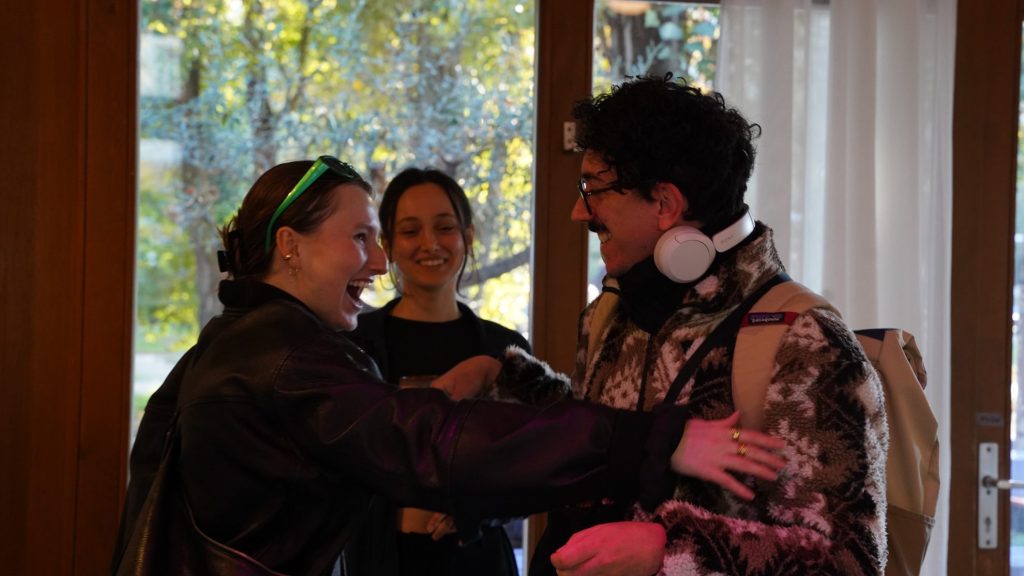
Over time, these repeated interactions help people develop something we all need: a genuine sense of belonging.
tip title 1: What This Looks Like in Berlin
If you live in Berlin, you’re not alone if making meaningful friendships feels challenging. Many people describe the city as a place where it’s easy to meet people but much harder to build lasting connections. In discussions on Reddit, hundreds of people share the same experience. One of the most common pieces of advice from locals is simple:
If you live in Berlin, you’re not alone if making meaningful friendships feels challenging. Many people describe the city as a place where it’s easy to meet people but much harder to build lasting connections. In discussions on Reddit, hundreds of people share the same experience. One of the most common pieces of advice from locals is simple:
Join a class, workshop, or hobby that meets regularly. Whether it’s learning a new skill, practicing a hobby, or attending regular meetups, these activities give you the opportunity to see the same people over time.
That’s exactly how familiarity, trust, and genuine friendships begin to grow.
Instead of focusing on meeting as many people as possible, focus on finding communities where you can keep showing up. Build different circles of friends your yoga people, your pottery people, your Spanish class people. Each community becomes another place where meaningful relationships can naturally develop.
h2-4 Quality Is More Important Than Quantity
Having hundreds of online connections doesn’t necessarily reduce loneliness.
Research consistently shows that the quality of our relationships has a much greater impact on happiness and wellbeing than the number of people we know.
Feeling understood, accepted, and supported is what creates lasting human connection and a true sense of belonging.
h2-4 Community Means Creating Opportunities
What communities can do is create the conditions where friendships are much more likely to happen.
A welcoming environment, shared goals, regular activities, and small groups help people feel safe enough to be themselves. When people feel accepted instead of judged, they’re more willing to open up, and that’s where meaningful relationships begin.
That’s why building community is about much more than organising events. It’s about creating repeated opportunities for people to meet, share experiences, and connect over time.
h2-5 How We’re Building Community at ForEveryone
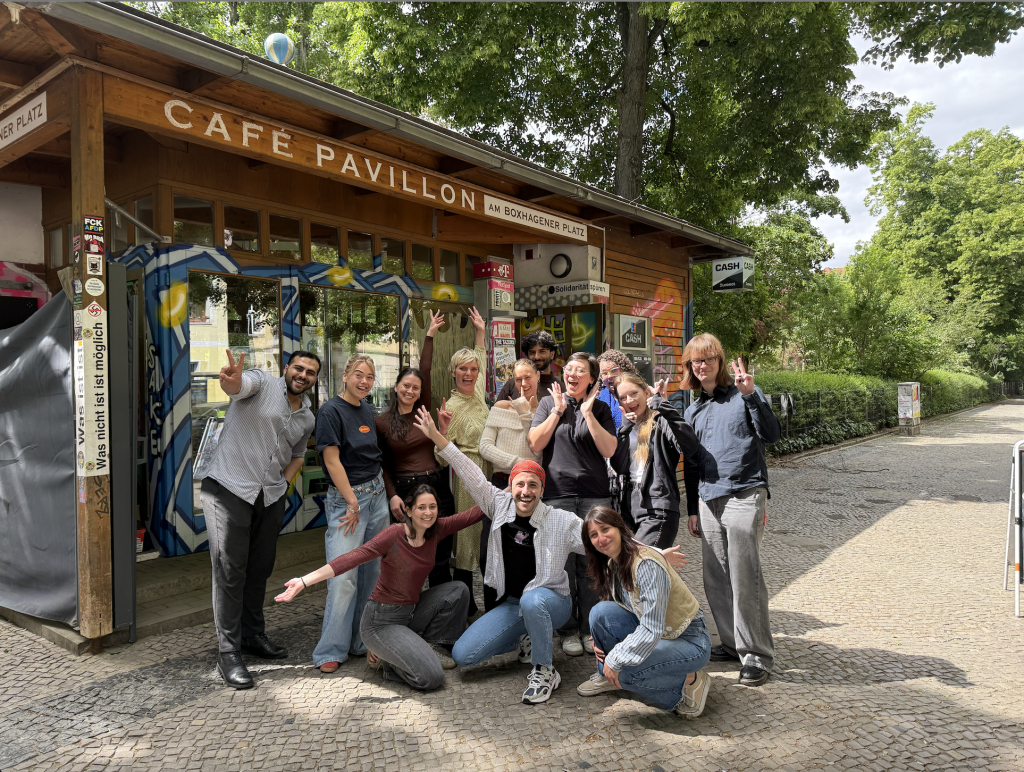
At ForEveryone, we believe everyone deserves a place where they feel welcome, supported, and connected.
Our mission is to build a community through art, music, creativity, and shared experiences, helping people create meaningful friendships and develop a genuine sense of belonging.
Our new Pottery Course in Berlin includes four sessions designed to teach a creative skill, but its biggest goal goes beyond ceramics. It’s about bringing people together in a safe and welcoming environment where they can meet, build genuine connections, and become part of a supportive community.
Alongside our pottery course, we also organise creative workshops, community events, and volunteering opportunities that encourage people to connect through shared experiences. Whether you’d like to volunteer, join one of our creative activities, attend an event, or take part in our pottery course, you’re always welcome.
Come as you are
No experience needed
Just a willingness to connect
Because meaningful relationships rarely happen overnight
They grow through shared experiences, trust, and simply showing up again and again.