

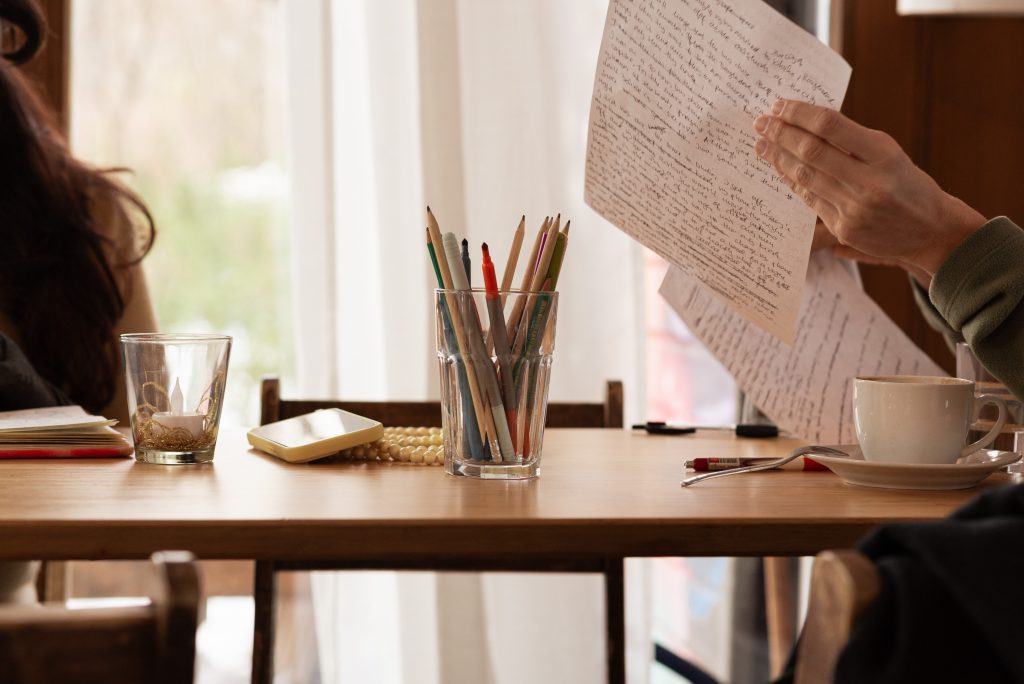





Create away: The Benefits of Creative Activities
People always had a lot going on inside of them. We feel deeply in every direction. But we, as a species, always needed a way to express all of these feelings outerwards. Either by talking, sharing or by making art and getting creative.
The benefits of creative activities are abundant. From improving our overall health (physical and, of course, mental) to strengthen social connection.
What are the benefits of creative activities?
Artistic and self-expressive activities are proven to be very beneficial for our health. Engaging in activities like journaling, pottery, yoga etc, stimulates creativity and our overall health. Let’s dive into some of those benefits:
Reduce stress levels
You guessed it! Creative activities can significantly reduce our stress. When we engage, for example, with painting, knitting or writing, our breathing becomes steadier, our heart rate slows down and our attention towards the present. Towards what we are currently doing. This break from stress isn’t avoidance. It just gives our mind the space it needs to reset and return to challenges with more clarity.
Improve emotional regulation
Creativity helps you process emotions instead of suppressing them. Putting a feeling into colour, shape, movement or words acts as a safe release valve. You can explore frustration, sadness, joy, or confusion without having to explain them perfectly. Over time, creative habits strengthen your ability to recognize feelings earlier and respond to them more gently.
Increase self-esteem
Creating something, no matter how simple, builds confidence. You see yourself produce something from nothing, follow an idea through or learn a new skill. Each creative step reinforces the belief that you are capable, imaginative and resourceful. It’s not about how “good” the result is; it’s about the satisfaction of making something that didn’t exist before.
Shared creativity helps with socializing
Creativity brings people together. Through workshops, classes, online communities, or just sharing your work with friends, creative activities are spaces of connection and bonding, with ourselves and/or others. Making or sharing art encourages dialogue, understanding and collaboration. Even a small creative project can spark meaningful interaction, remind us that we’re not alone in this journey and strengthen our sense of belonging.
Strengthen cognitive function
Engaging in art, writing or music challenges our minds in ways that improve memory, concentration and flexible thinking. When we explore new ideas, experiment with materials, or plan a creative project, our brain forms new neural pathways. Over time, this strengthens problem-solving skills, sharpens focus, and enhances our ability to adapt to change. Creativity keeps our mind active and agile. It’s like a gentle workout for our brain!
Digital fatique vs Analogue creativity
In the past decade, our lives have shifted heavily into the digital world. Screens have become the way we work, socialize, learn, relax and even create. Technology surely has opened many doors, but it also comes with a cost: digital fatigue.
What is digital fatigue?
Digital fatigue is the mental and physical exhaustion we feel after we spend too much time on our screen. Symptoms often include:
- difficulty to concentrate
- reduced creativity
- irritability or emotional overload
- low motivation
- physical discomfort
- a sense of disconnection despite being constantly “connected”
Many psychologists describe it as a kind of numbing of the senses – our attention is constantly scattered, our nervous system is overstimulated, and we rarely have space for slow, grounded experiences. But here comes analogue creativity or offline creativity.
How Analogue Creativity Helps
- A break for the senses
Hands-on activities like drawing, crafting, journaling or theatre engage touch, movement, and real-world perception – something screens can’t replicate. This sensory shift calms the nervous system and restores focus. - Slowness that heals
Offline creativity invites a slower pace: no notifications, no multitasking. This make us more present, reduces anxiety and helps people reconnect with their own thoughts. - Real engagement, real ideas
Using our hands activates different brain pathways, improving problem-solving, imagination, and emotional regulation. Analogue work feels more personal and less performative because it happens outside the pressures of digital comparison. - A path back to connection
Workshops, circles, and creative meet-ups bring people together in shared physical space. These moments of co-creation build belonging – something many of us miss in a digital-first world.
In short: analogue creativity balances the overstimulation of online life. The benefits of creative activities are even more clear.
Simple ways to start getting creative
Getting started doesn’t have to be complicated — small steps can spark big changes. Here are some ideas:
- Draw or doodle – Grab a pen and paper and let your mind wander. No need for perfection here!
- Journaling – Write down thoughts, ideas, or small stories. Reflecting on paper can boost clarity and creativity.
- Photography walks – Take a camera or your phone and notice details in your surroundings. Capture what inspires you.
- DIY or crafts – Experiment with materials at home: painting, knitting, building, or simple upcycling.
- Music and movement – Play an instrument, sing, dance, or improvise rhythmically – even alone.
- Cooking creatively – Try new recipes or invent your own. Playing with flavors and textures is a form of creative expression.
- Join a workshop or community class – Learn something new with others and spark inspiration together.
Tip: Pick one small activity and do it consistently. Creativity grows through practice, not pressure.
So, let’s get creative!
Creativity isn’t just a hobby, but a powerful tool for mental wellbeing, connection, and personal growth. Even small daily acts of creative expression can help reduce stress, spark joy, and strengthen your mind.
Take the first step today: pick one simple activity, try it, and notice how it makes you feel. And if you want to share your creativity with others, join a workshop, a local community class, or one of our events at ForEveryone. Creativity thrives best when it’s shared!